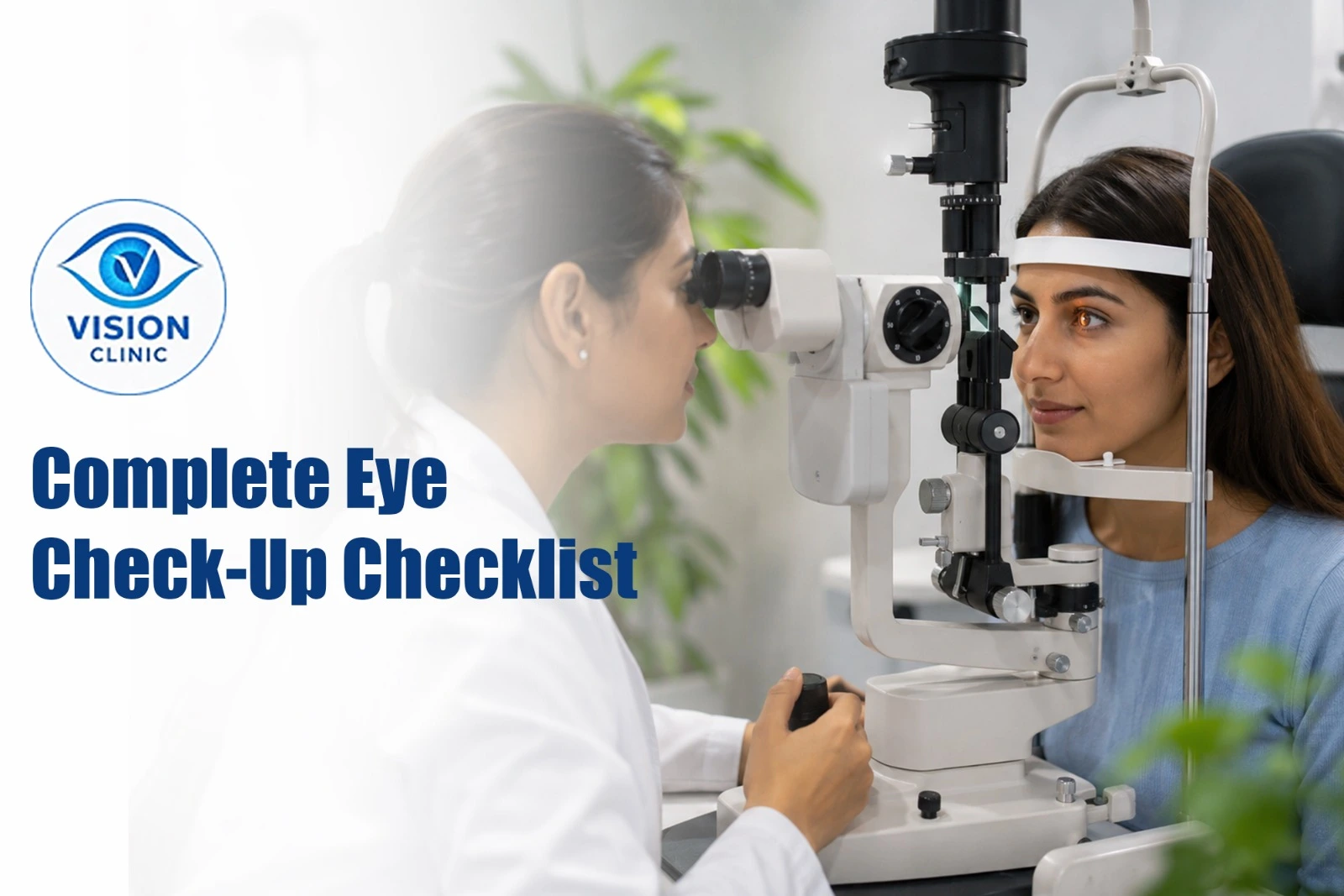
Booking your first appointment with an Eye Doctor in Vrindavan Yojana, Lucknow can feel a little confusing if you don't know what actually happens inside the examination room. Will they dilate your eyes? Do you need to fast? Should you carry your old spectacles? Most people walk in blind (pun intended) to their own eye test, and that uncertainty is exactly why so many people delay a check-up they genuinely need. This guide breaks down every single step of a comprehensive eye examination, in the order it usually happens, so you walk in prepared and walk out with zero surprises.
Whether you're dealing with headaches, blurry vision, screen fatigue, or you simply haven't had your eyes checked in years, knowing the process removes half the anxiety. Let's get into it.
Why a Comprehensive Eye Exam Matters More Than You Think
An eye test isn't just about reading letters off a chart. A full ophthalmic evaluation screens for refractive errors, dry eye syndrome, glaucoma, cataracts, retinal issues, and even early signs of diabetes or high blood pressure. Your eyes are one of the few places in the body where a doctor can directly see blood vessels and nerve tissue without any invasive procedure — which makes routine screening a genuine window into your overall health, not just your vision.
Skipping regular check-ups often means conditions like glaucoma progress silently for years before symptoms appear, by which point some vision loss can be permanent. That's the core reason ophthalmologists recommend an eye exam at least once every one to two years for adults, and annually for anyone above 40 or with a family history of eye disease.
Before You Even Book: Quick Prep Checklist
A little preparation makes your visit faster and far more useful. Here's what to keep ready:
- Your current spectacles or contact lenses (even if you rarely wear them)
- Any previous prescription slips or old eye reports
- A list of current medications, including any eye drops
- Details of past surgeries, especially cataract, LASIK, or squint correction
- Family history of glaucoma, diabetic retinopathy, or macular degeneration
- Sunglasses for the ride home, since your pupils may be dilated
If you wear contact lenses, most clinics ask you to switch to glasses for a day or two before certain tests, since lenses can slightly alter corneal shape and affect readings.
Step-by-Step: What Happens During the Actual Visit
1. Registration and Medical History
The visit begins with front-desk registration, followed by a short conversation about your general health, vision complaints, screen time habits, and family eye history. This is also when you'll mention symptoms like eye strain, redness, watering, night blindness, or double vision. Be specific here — vague answers lead to vague diagnoses.
2. Visual Acuity Test
This is the classic Snellen chart test where you read letters from a distance, one eye covered at a time. It measures how sharp your vision is and gives the doctor a baseline before deeper testing begins.
3. Refraction Test
Using a phoropter (the machine with rotating lenses) or an auto-refractor, the optometrist figures out your exact prescription — whether you need glasses for myopia, hypermetropia, or astigmatism, and by how much.
4. Slit-Lamp Examination
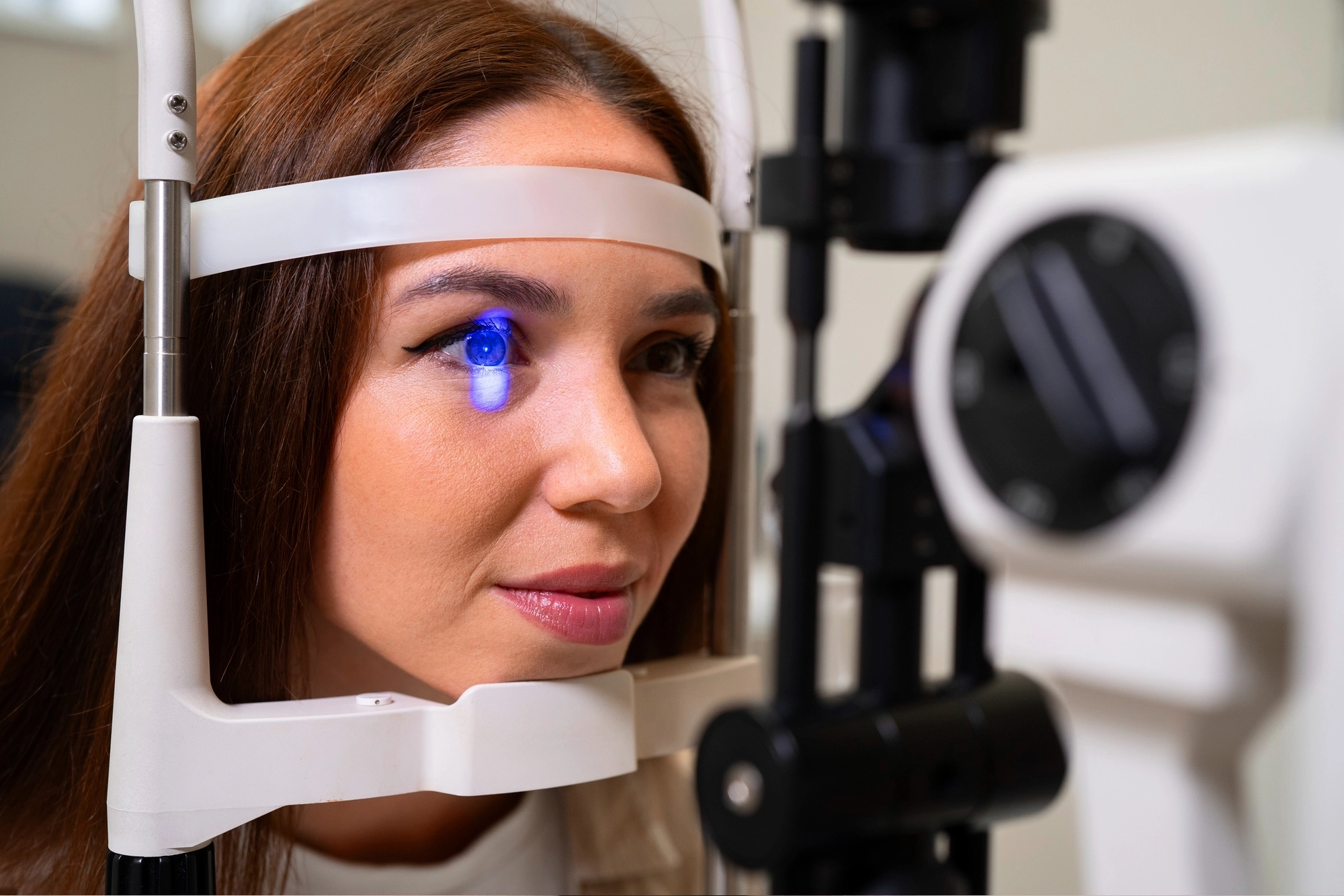
A slit-lamp biomicroscope allows the doctor to examine the front structures of your eye — cornea, iris, lens, and eyelids — under high magnification. This step catches dry eye, infections, corneal scratches, and early cataract formation.
5. Tonometry (Eye Pressure Check)
A quick, painless puff-of-air or contact-based test measures intraocular pressure, which is the primary screening tool for glaucoma. High pressure doesn't always mean symptoms, which is exactly why this test matters even if you feel fine.
6. Pupil Dilation and Retinal Examination
Eye drops widen your pupils so the doctor can examine the retina, optic nerve, and blood vessels at the back of your eye. This step is essential for detecting diabetic retinopathy, macular degeneration, and retinal detachment. Expect mild light sensitivity and blurred near-vision for 2–4 hours afterward.
7. Color Vision and Additional Tests (If Needed)
Depending on your age, symptoms, and risk factors, the doctor may add color blindness screening, visual field testing, or corneal topography, especially before any laser or contact lens fitting.
8. Diagnosis, Discussion, and Prescription
Finally, the doctor explains the findings in plain language, prescribes glasses, medication, or further treatment if required, and answers your questions. A good clinic will never rush this part — this is where you should ask everything you're unsure about.
Quick Reference Table: Eye Tests and What They Check
| Test | What It Checks | Duration |
|---|---|---|
| Visual Acuity Test | Sharpness of vision, near and distance | 3–5 minutes |
| Refraction Test | Spectacle/contact lens power | 5–10 minutes |
| Slit-Lamp Exam | Cornea, iris, lens, eyelid health | 5 minutes |
| Tonometry | Eye pressure, glaucoma risk | 2–3 minutes |
| Dilated Retinal Exam | Retina, optic nerve, blood vessels | 15–20 minutes |
| Color Vision Test | Color blindness, occupational fitness | 5 minutes |
What Makes a Clinic Visit Actually Worthwhile
Not every eye check-up is equally thorough. When choosing where to go, look beyond just the consultation fee. A patient-first setup — clear explanations, modern diagnostic equipment, a comfortable waiting area, and a doctor who listens instead of rushing — makes a genuine difference to both your comfort and the accuracy of your diagnosis. This is exactly the approach followed at Dr. Richa Tripathi, Vision Clinic, where the focus stays on a complete, unhurried evaluation rather than a quick glance-and-prescribe routine.
If you're researching the best eye clinic in Vrindavan Yojana, it helps to shortlist places that combine qualified ophthalmic expertise with transparent communication, so every test result is explained rather than just handed to you on a slip of paper.
Common Eye Conditions Screened During a Routine Visit
- Refractive errors — myopia, hypermetropia, astigmatism, presbyopia
- Dry eye syndrome — increasingly common due to prolonged screen exposure
- Glaucoma — often symptomless in early stages, detected via pressure and optic nerve checks
- Cataracts — clouding of the lens, usually age-related
- Diabetic retinopathy — retinal damage linked to uncontrolled blood sugar
- Conjunctivitis and infections — redness, itching, discharge
- Macular degeneration — affects central vision, more common after 50
Signs You Shouldn't Delay Your Eye Check-Up
- Frequent headaches, especially after screen time or reading
- Blurred or double vision, even if it comes and goes
- Difficulty seeing at night or adjusting to darkness
- Eye strain, redness, or excessive watering that doesn't settle
- Squinting to see distant objects like signboards or the whiteboard
- A gap of more than 12–18 months since your last full eye exam
If even one of these sounds familiar, it's worth booking an appointment rather than waiting for symptoms to worsen.
Life After Your First Visit
Once your check-up is done, follow-up matters just as much as the exam itself. If glasses are prescribed, get them made promptly rather than putting it off — uncorrected vision, especially in children, can affect learning and daily comfort. If eye drops or medication are prescribed, complete the full course, and don't self-adjust dosage. For anyone diagnosed with a chronic condition like glaucoma or diabetic eye disease, a clear follow-up schedule should be set before you leave the clinic, since consistent monitoring is what actually prevents long-term damage.
Final Thoughts
A comprehensive eye examination is quick, painless, and genuinely one of the most underrated health checks most adults skip year after year. Now that you know exactly what each test involves — from the Snellen chart to the dilated retinal exam — your first visit should feel far less intimidating. Eye health rarely announces itself with obvious symptoms until damage is already underway, which is precisely why routine screening matters more than most people realize. Book your check-up, carry your prep checklist, and give your eyes the attention they quietly deserve.
Frequently Based Question
Popular Posts
-
Early Eye Symptoms Patients Often Ignore
23 Dec 2025 -

-